




BY: Kyei Kwadwo Yamoah, Executive Director of HELP foundation Africa
Consultations on Ghana’s Lithium Agreement with Barari DV Ghana Limited
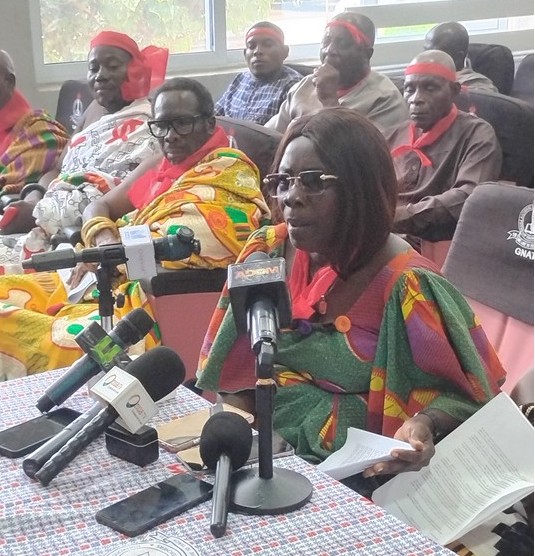
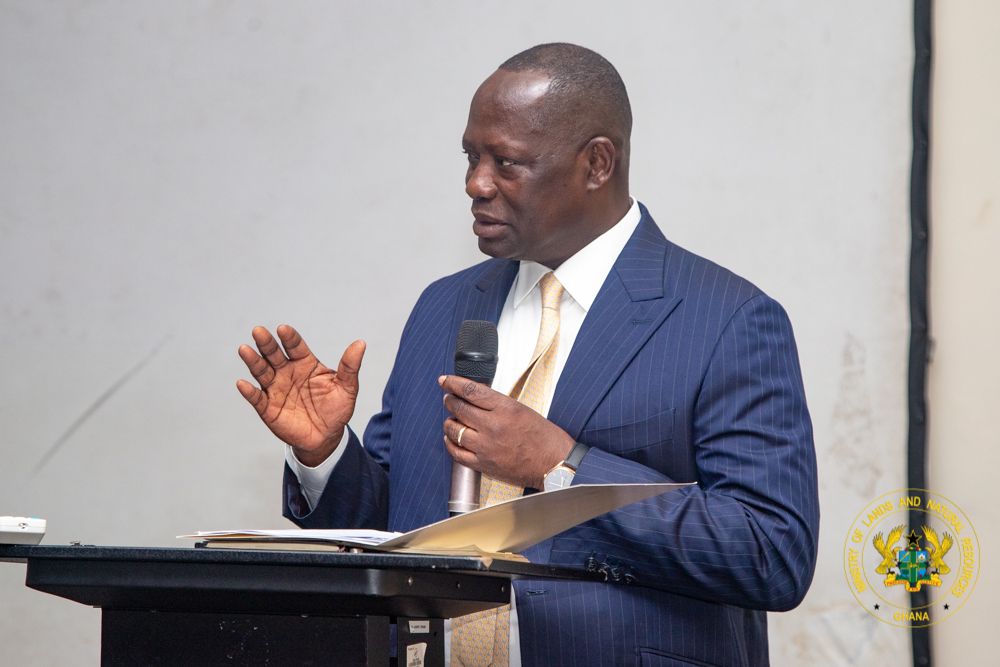
On Monday, December 15, 2025, The Minister for Lands and Natural Resources, Emmanuel Armah-Kofi Buah, held a high-level meeting with civil society organisations (CSOs) on Ghana’s lithium agreement with Barari DV Ghana Limited following the withdrawal of the agreement from Parliament.
At the meeting, HELP Foundation Africa commended the Minister for the consultations and explained that it offers an opportunity to engage stakeholders to gather ideas for a stronger, more equitable, future-oriented agreement that could protect communities and the environment and maximize revenue and value for Ghana. We also commended the Minister for the introduction of the 1% Community Development Fund; this is innovative and forward looking.
HELP Foundation Africa recommends the following improvements in the agreement and for the general strategy to maximize value for Ghana.
1. Improve Fiscal Terms and Revenue Protection; Reassess royalties, taxes, and state equity to ensure Ghana secures a fair and competitive share of the value. Introduce mechanisms to prevent transfer pricing, profit shifting, and under-declaration of production volumes.
2. Strengthen the Value Addition Requirements : Include binding obligations for at least first- to third-level processing of lithium in Ghana, with clear timelines, penalties for non-compliance, and incentives for local manufacturing of battery components.
3. Mandate Strong Local Content and Ownership : Set specific, enforceable targets for Ghanaian participation in procurement, ownership, employment, and skills development. Establish a clear roadmap for building domestic capacity in the battery and EV value chain.
4. Enhance Environmental and Community Protections: Require comprehensive baseline environmental studies, water-use plans, resettlement frameworks, and land rehabilitation commitments. Community development agreements should be mandatory and monitored by independent bodies.
5. Institutionalize Contract Transparency : Ensure full publication of the agreement and related technical reports before parliamentary approval. Multi-stakeholder oversight, through CSOs, traditional authorities, academia, and local communities should be institutionalized.
6. Align with a Clear National Green Minerals Policy: The agreement should be anchored in a comprehensive national policy that outlines Ghana’s long-term strategy for lithium and other critical minerals, ensuring coherence, predictability, and sustainability.
Sliding Scale Royalty:
At HELP Foundation Africa, we also support the introduction of the sliding scale royalty to improve the Fiscal Terms and Revenue Protection. Because whilst a Flat royalty is one fixed rate (e.g. 5% or 10% of gross revenue) applies regardless of price, cost, or profitability and does not respond to booms or busts and the Flat taxes allow companies to retain windfall gains, even when prices double or triple. Flat royalties often underperform during commodity booms.
It is our argument that, the sliding scale royalty is progressive with higher rate when companies earn more, it is Counter-cyclical and cushions companies during downturns, it also has built-in adaptability to market conditions.A sliding scale ensures that the state captures more value during booms butcompanies will still earn competitive returns. The sliding scale also ensures the protection of government revenue over time byincreasing government revenue automatically when prices rise, reducing pressure for politically difficult renegotiations and providing revenue stability across cycles.
Why this matters: This is critical for budgeting in countries dependent on mineral revenues. For resource-dependent economies like Ghana commodity prices are volatile, public expectations rise during booms and renegotiations damage investor confidence. A sliding scale royalty protects national interest, improves value for money and aligns with global best practice in mining fiscal regimes. It is particularly important in strategic minerals (gold, lithium, bauxite) tied to the energy transition.
In summary, a sliding scale royalty is superior to a flat tax because it automatically captures more public value when mining is most profitable, protects investment during downturns, and reduces political and fiscal instability over the life of a mining project.
Prepared by: Kwadwo Kyei Yamoah, (Kkyeiyams@gmail.com, 0244817020), in partnership with HELP Foundation Africa Policy and Research Support Desk. Website: www.helpfoundationafrica.org. Org. Email: helpfoundationafrica.gh@gmail.com