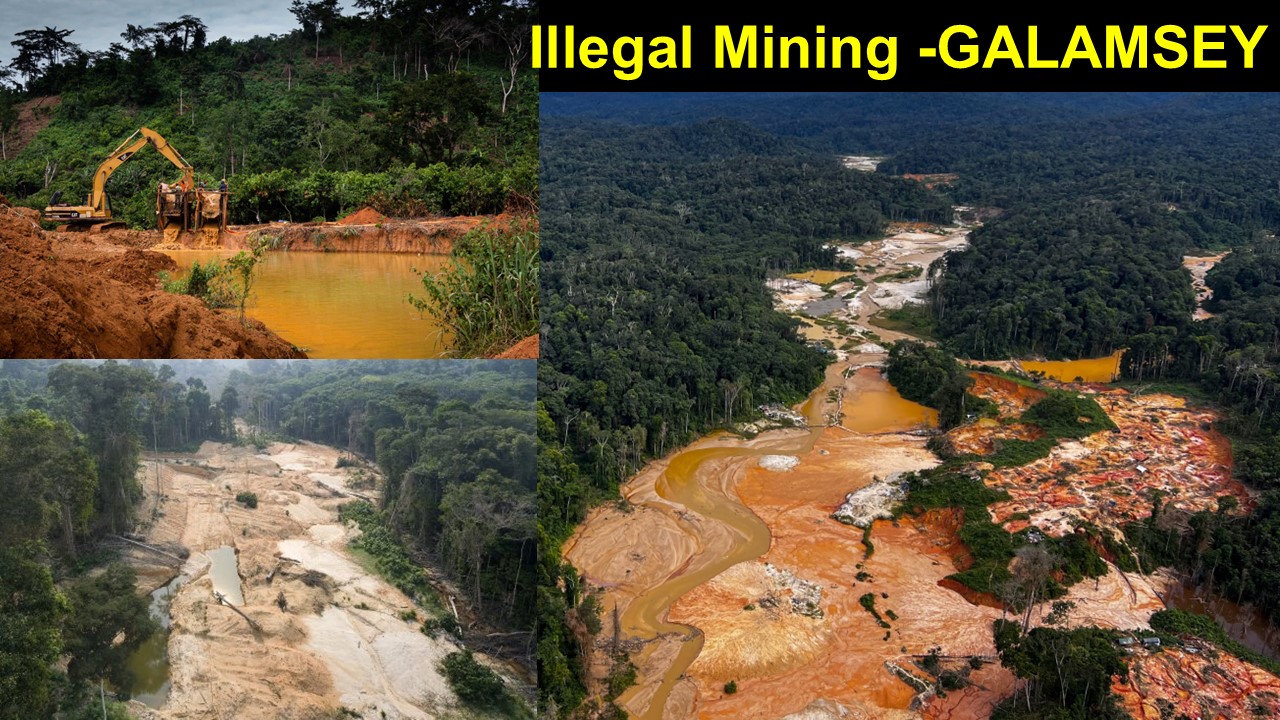




The mob attacks in anti-galamsey enforcement are not spontaneous community reactions. They are often the product of calculated strategic mobilization by kingpins and political activists, because of anticipated immunity from sanction. Until incentives shift to increase the cost of interference and reduce the political value of defending galamsey, such behaviour is likely to persist. The actors (kingpins and political activists) calculate that even if violence occurs in anti-galamsey enforcement: They could easily deny their involvement in the mob mobilization or rather lie that their presence was to maintain peace and calm.
From experiences in such cases: arrests of instigators are unlikely; prosecutions are rare or slow. In cases where MPs are involved, parliamentary privilege and partisan solidarity shield them. These expectations of impunity encourage these aggressive tactics and escalation to mob action rather.
Consolidated list: attacks on NAIMOS or the IGP Special Anti-Galamsey Taskforce
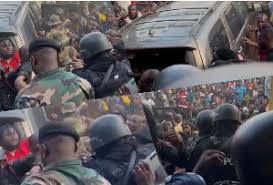
These are some recent public incidents in which NAIMOS or the Inspector-General of Police (IGP) Special Anti-Galamsey Taskforce were attacked, besieged or violently resisted.
- Hwidiem / Bronikrom / Hwediem (Hwidiem area, Ahafo Region / Ahafo-Ahafo sites)
Date (reported): 1 November 2025 (events widely reported 1–3 November 2025). Reason reported: NAIMOS Director of Operations and his team intercepted illegal miners; arrests and seizure of vehicles/equipment followed. A large crowd (reported as several hundred) besieged the police station demanding the release of suspects and the return of seized property; NAIMOS officer(s) were attacked and a vehicle was vandalised. - Bonteso / Bontesso (Amansie West / Amansie South area, Ashanti Region)
Date (reported): 13 August 2025. Reason reported: IGP Special Anti-Galamsey Taskforce seized an excavator from an illegal mining site near Manso Nkwanta; a mob attacked the taskforce and injured officers while attempting to recover the equipment. Politically motivated: Some reports said an assemblyman or local leader led or instigated the mob; those accounts present a political actor in a leadership role (therefore considered politically linked in reporting).Politically motivated: Multiple news items name or allege involvement by a sitting Member of Parliament (Asutifi North MP) - Akomfere (Atwima Mponua district, Ashanti Region)
Date (reported): June 2025 (multiple mid-2025 reports). Reason reported: Anti-galamsey team intervened at an illegal mining site; clashes followed during arrests/seizures. Reporting indicated allegations that third-party thugs interfered and that the situation involved foreign nationals in some reports. - Anyinam (Atewa East / Atiwa East / Eastern Region)
Date (reported): 8 February 2023. Reason reported: Crowd/illegal-miners resisted when two alleged illegal miners (an excavator operator and a site supervisor) were arrested and handed to police; a mass of miners and sympathisers surrounded the police station, creating pandemonium. - Atwima Mponua / Akomfere follow-ups (mid/late 2025 and Various localised incidents (2024–2025):): further clashes and operations where miners resisted taskforces; some accounts reference organised resistance. numerous video and social posts document stone-pelting, brief sieges and recovered excavators across Ashanti, Ahafo, Eastern and Western/North-Western riverine areas during NAIMOS/IGP operations. Other incidents (Anyinam 2023; and multiple local clashes) are widely reported as community resistance or miner retaliation to seizures and arrests. Many of these involve rapid miner mobilization and attempts to reclaim equipment.
What Has to be Done
There has to be credible deterrence to stop these mod actions. This requires coordinated legal and political action that is visible, timely and proportionate. Combining Presidential leadership, criminal prosecution, parliamentary discipline, party sanction, and civil society oversight will send a durable message that as a country we do not permit mobilising violence to defend illegal economic activity.
Presidential Leadership reduces impunity and signals that political office does not place anyone above the law including MPs, Ministers or Party Executives.
It is important for the following Presidential Actions:
o The Presidency couldissue an immediate statement condemning political incitement to violence, expressing support for NAIMOS, and calling for full legal accountability for anyone who assaulted or obstructed public officers. A Presidential statement sets a national tone about rule of law.
o The Presidency coulddirect the Minister of Lands and Natural Resources, the Minister of the Interior and the Ghana Police Service to ensure NAIMOS operations are protected, that the investigation proceeds without interference, and that additional protection is provided to enforcement teams operating in high-risk locations. Cite of NAIMOS mandate would be appropriate in the statement.
o The Presidency could commission an independent, transparent, time-bound inquiry (or request the Inspector General of Police to lead a criminal investigation) and publish the findings. If an MP is implicated, make clear the Presidency will not interfere with due process.
o The Presidency couldtask the Executive to fast-track legislative or administrative protections for NAIMOS officers (clear rules on arrest powers, penalties for obstruction, resources for protection and rapid prosecution), etc.
Police Enforcement and Prosecution: Under the Criminal Offences Act (Section 205): assaulting, obstructing or inciting others to assault or obstruct public or peace officers is an offence and prosecution under this provision is appropriate where facts support it. The police have to fast-track the investigations by securing and catalogue all video and photographic evidence (phones, social media). Take written witness statements from NAIMOS personnel, police, local witnesses. AG/OSP should quickly work on the file for prosecution, because prosecution of a high-profile individual shows no one is above the law
Parliamentary Action: Where an MP is involved, the Clerk of Parliament should lodge a formal complaint and refer to the Committee on Privileges. Parliament could announce suspension from parliamentary duties (committee duties / sittings)pending inquiry. Parliamentary findings to trigger further sanctions: If the parliamentary inquiry finds culpability, apply Standing Orders remedies: formal reprimand, deduction of emoluments (surcharge), longer suspension, or recommendation for expulsion. Ensure due process (evidence, chance to be heard) to avoid legal setbacks.
Political Party Sanctions; (Where an MP or political activists are involved). the party should convene an internal disciplinary panel and cooperative engagement with investigators. consider suspending the MP from party caucus duties pending investigation, removal from party committees, withdrawal of party support for re-election, or expulsion. Where the party executive is involved, the Political Party leadership should give a public condemnation of the action and announce suspension from the party. Publicly distancing the party is politically powerful.
Civil Society Organisations (CSOs), Develop Partners and the Media should sustain civic pressure to ensure accountability, and strengthen public consensus against politicized protection of galamsey.
o Demand transparent investigations and monitor the process: Issue coordinated public statements demanding independent, transparent investigations and regular public updates by the police and AG. Public watchdogging keeps pressure on institutions.
o Legal action and strategic litigation: Where appropriate, seek judicial review or public interest litigation to compel investigations or to challenge any official failure to act. CSOs can also support victim/witness legal costs.
o Evidence-gathering and documentation: Collect and archive videos, media articles, witness affidavits, and medical reports; publish a verified timeline and dossier to inform media and investigators.
o Public advocacy and civic mobilization: Run a public information campaign on the harms of galamsey, the legal consequences of obstructing enforcement, and citizens’ rights. Mobilise peaceful civic actions and petitions aimed at Parliament and the Presidency.
o Protect NAIMOS and frontline actors: Advocate for protective measures for NAIMOS officers and provide legal/psychosocial support where needed.
By: Kwadwo Kyei Yamoah, (Kkyeiyams@gmail.com, 0244817020 )
in partnership with HELP Foundation Africa Policy and Research Support Desk
Website: www.helpfoundationafrica.org
Org. Email: helpfoundationafrica.gh@gmail.com